Engine Management Light Meaning
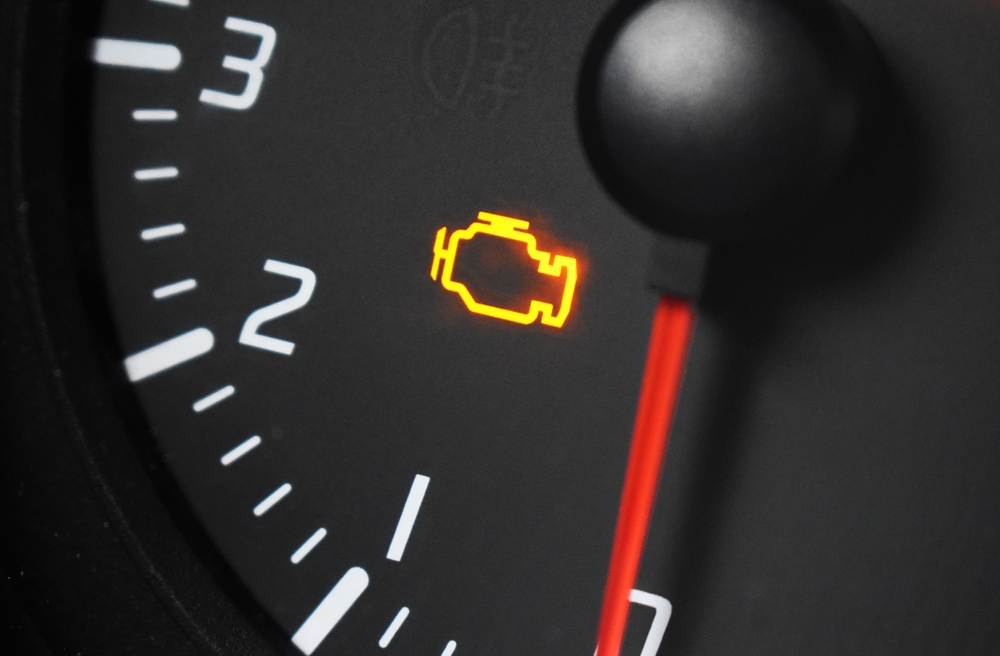
Partway through your morning commute, a small amber light glows into life on the dashboard. Shaped like an engine, and it’s impossible to pretend you haven’t seen.
What you’re looking at is likely the engine management light…
The engine management light means your car has detected a fault in the engine, emissions or a related control system
Your reaction is the usual one: find a safe spot to pull over, stop the engine, and start reading up on the engine management light meaning before you decide anything.
Is it safe to press on? Might something fail before you reach work?
Then comes the thought of the bill. A warning shaped like an engine doesn’t feel like it’ll be cheap to fix.
Think of the engine management light as your car flagging trouble: it comes on when the engine control module detects a fault affecting engine performance, emissions, or a related control system. It won’t pinpoint the problem. It tells you a skilled technician needs to run a technical evaluation.
The part that should settle your nerves? Acting on it is the right thing to do, and dealing with it early instead of late can help keep costs down.
Over the next few minutes, we’ll cover why the engine management light exists, what it’s signalling, what’s known to bring it on, and what to do next.
What Is The Engine Management Light?
Almost all petrol cars sold in the UK since 2001, and almost all diesels since 2004, have been required by law to carry an onboard system that monitors engine and emissions performance.
The light indicates that something is wrong and needs checking.
At the centre of it sits the engine control module, or ECM, the computer in charge of fuelling, ignition and emissions. It gathers readings from sensors across several key areas, including:
- Engine performance
- Fuelling
- Ignition
- Emissions
- And others…
Should a reading fall outside the range it expects, the module can switch the engine management light on and save a fault code.
Now for the bit that surprises people. The light doesn’t identify the fault. The module logs that something happened and marks it for a skilled technician.
Which answers the question drivers keep asking: What does the engine management light mean?
In short, the engine management light meaning is that your car has detected a fault or condition for an expert to investigate. It can raise the alarm, but finding the root cause of an issue takes know-how.
And if you searched the check engine light meaning rather than this one, you found the right warning, because the check engine light meaning is the same. ‘Check engine light’ is just the term heard more in North America.
Steady Amber Versus Flashing: Reading the Signal
Does it matter how the light shows up? It does, because the behaviour usually tells you how urgently to react.
Take a steady amber engine management light on the dashboard. On most cars, it’s handled differently from a flashing one, though colour, behaviour and the manufacturer’s guidance vary between vehicles.
In many cases, a steady light reflects a fault affecting engine performance, emissions, or a related control system, so the sensible thing is to contact your garage soon, describe the warning and any symptoms, and act on the advice.
Now picture the same light flashing. That’s usually a different story.
A flashing check engine light can signal a fault happening as you drive, the standard example being an engine misfire, where fuel isn’t burning as it should inside one or more cylinders. That unburnt fuel can reach the catalytic converter, the part of the exhaust that cleans up harmful gases, and overheat it enough to cause expensive damage.
So a flashing engine management light can signal a fault capable of rapidly harming the catalytic converter or the engine. Arranging recovery is the safer choice over driving on. It might seem dramatic, but it can save you a much larger repair.
Beyond that, some manufacturers use a different warning colour or add further warnings for a more serious engine-related fault, and the approach shifts from make to make. Some cars even show a short text message beside the engine management light for context. Unsure which version you’re seeing?
Call JDK Automotive, Camberley, and describe it; we’ll help you decide the best next step.
Engine Management Light Causes: Where to Start Looking
With that onboard system watching engine operation, fuelling and emissions-related systems, the range of triggers is wide. Some are minor, some need prompt attention, and each one is worth treating seriously.
Some of the more widely reported engine management light causes include:
- A failing oxygen sensor: Sitting in the exhaust, this sensor measures the oxygen still present in the burnt gases, which helps the system set the fuel mixture. Let those readings drift or fail, and the mix can swing rich or lean, lifting fuel use and triggering the light.
- Catalytic converter and emissions issues: Much of the harm in the exhaust is cleaned up by the catalytic converter on the way to the tailpipe, so a fault here can flag the warning. Diesels add a further well-documented trigger in the diesel particulate filter, the component that catches exhaust soot, once it becomes blocked.
- Misfires: A cylinder that fails to fire cleanly is the issue here. On petrol engines, that comes from worn spark plugs or failing ignition coils, the parts that make the spark; on a diesel, injector faults are one possible cause. A misfire is among the faults that can set the engine management light flashing rather than holding steady.
Those three appear over and over in breakdown guides, but they aren’t the whole list. Other engine management light causes range from a loose connection to a single sensor that’s failing.
So what does the engine management light mean for you, and which one applies to your car? That’s where the next part comes in, because a fault code on its own doesn’t tell the full story.
If your light has come on, the team at JDK Automotive, Camberley, can identify what’s behind it before it turns into something bigger.
One Fault Code, Several Possible Causes
Can a fault code be read from the engine management system? Yes… Does it tell you exactly why it’s there? Not necessarily.
A fault code points to where the module detected a problem, not the part that caused it, and one code can stem from several underlying causes, from a worn component to a faulty sensor somewhere else in the system.
So a single code can leave you facing several possible causes.
Which is why fitting whatever part a fault code seems to name is expensive guesswork, and not something we’d advise. If the true fault sits elsewhere, the warning is likely to return, along with the cost of a part that wasn’t the problem.
Codes can guide a technician in the right direction, but working out what’s truly going on takes a skilled professional. If you remember a single thing about the engine management light meaning, make it this.
Our technicians at JDK Automotive, Camberley, treat a fault code as a clue within a structured investigation, not the conclusion.
Resetting the Light Leaves the Fault in Place
A warning on the dashboard means the car has detected a fault that needs investigating. The longer that fault is left alone, the greater the risk it leads to something more expensive.
Leave it unattended, and secondary damage can follow, so what began as a fairly contained issue can build into something costlier over time.
Your MOT is part of the picture too…
An illuminated engine management light is classed as a major defect under the current MOT test, which can result in an automatic fail, regardless of what triggered it.
It’s also worth avoiding a reset until the root cause of the engine management light has been identified. Doing so can erase useful information a technician would otherwise use to work out why the fault happened.
If the warning comes back after being cleared, some of that information may already be lost, which can make the investigation take longer and cost more than it should.
The short version?
With the engine management light on, leave the data intact and get in touch with JDK Automotive, Camberley, before anything is cleared.
What a Technical Evaluation at JDK Automotive Looks Like
Our experts begin every investigation in the same way, with a conversation. Our technicians ask questions like: What have you noticed? When did the warning first appear? Has anything felt different while driving? And other relevant questions.
That information genuinely helps shape the work ahead.
Next, our technicians carry out a structured technical evaluation, drawing on their experience alongside dealer-level technology and technical information. The fault codes and stored data guide things, but the skill is in reading what they point to rather than taking them at face value.
As soon as the cause is identified, we’ll call you to explain what we’ve found, what needs to happen, and what it costs, all before any work starts.
If a repair is required, the team carries it out and resets the affected systems in line with manufacturer guidance. A closing check then confirms the warning is gone and the system is performing as it should.
Want to know what’s behind your warning light? Get in touch with JDK Automotive, Camberley, on 01276 535585, and we’ll run through what’s involved.
Why Local Drivers Choose JDK Automotive, Camberley
Engine management lights can indicate a wide range of problems across the engine, fuelling, ignition, and emissions systems, as well as many other areas. Reaching the root cause means studying stored data, weighing it against manufacturer information, and ruling out the possibilities the evidence rejects. Hands-on experience is what makes the difference.
At JDK Automotive, Camberley, our experienced team pairs solid knowledge with dealer-level information and technology, and the expertise to track these faults down accurately.
By choosing us as your local independent expert, you benefit from:
- An experienced team working on many makes and models.
- Dealer-level information and technology, paired with real hands-on expertise.
- Twelve months of parts and labour cover on the work we complete.
- A friendly local team looking after drivers across Camberley and Farnborough.
Join the {{review-count}} local drivers who’ve rated us {{average-rating}} stars on Google for thorough work and a friendly approach.
Ring JDK Automotive, Camberley, on 01276 535585 to set up a technical evaluation, and we’ll uncover what lies behind the warning light.
FAQ
Is the check engine light the same as the engine management light?
Yes, they mean the same thing. The phrase ‘check engine light’ is heard more in North America; over here, it’s usually called the engine management light. The warning behaves the same and points to one step, which is having a skilled technician investigate.
Can I keep driving with the engine management light on?
A steady engine management light needs prompt attention rather than panic. Contact your garage as soon as you can, explain the warning and any symptoms, and take their advice. A flashing light is the urgent one, as it can indicate a fault that may cause rapid damage. Follow your manufacturer’s guidance and seek professional help right away.
How much does it cost to fix an engine management light fault?
It varies depending on the fault causing the engine management light. At JDK Automotive, our technicians talk you through what they’ve found and the cost before any work goes ahead, so you know where you stand before we start.
Will the engine management light switch off on its own?
Yes, on the odd occasion, the engine management light might turn itself off. That said, a warning switching off doesn’t necessarily mean the fault is gone. If it remains, the engine management light is likely to return, so it pays to contact your garage even when the light appears only briefly.