Audi Oil Consumption Problem
You’ve been topping up the oil more than you should need to. Between services, the level on the dipstick has been creeping downward, and there’s no puddle under the car to explain it.
Then something else shifts. The idle isn’t quite settled. There’s a faint hesitation when you pull away, or a rough edge to the engine note that wasn’t there six months ago.
It’s tempting to carry on. After all, the car still drives, and nothing looks wrong from the outside.
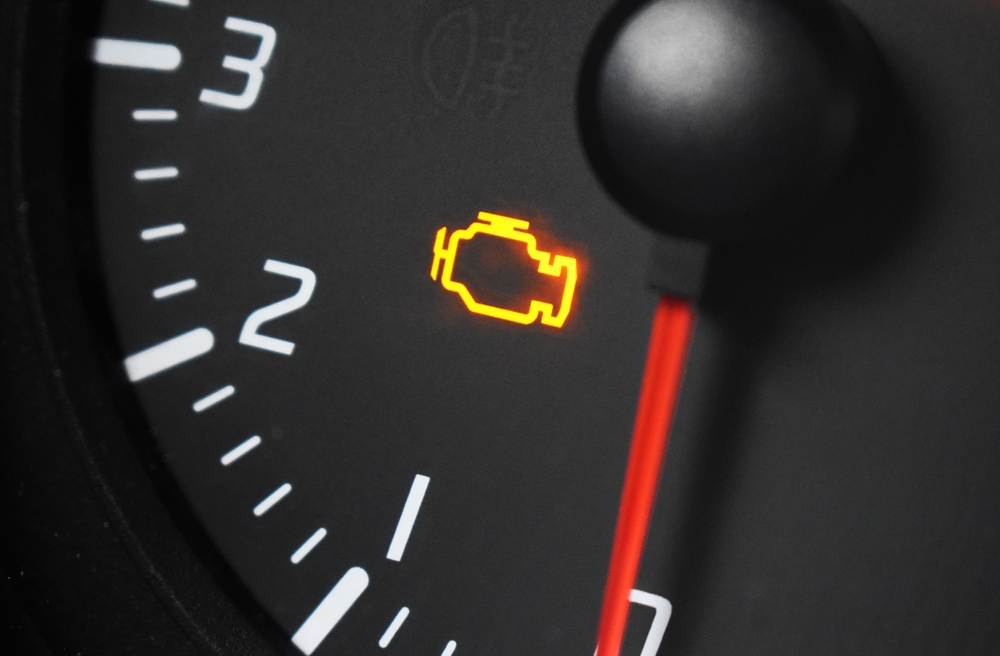
The reality is that these signs can point to a developing fault. By the time the engine management warning light comes on, the issue may have been building quietly for some time.
The Audi oil consumption problem on models fitted with the 2.0 TFSI petrol engine can trace to a worn PCV valve. This valve manages crankcase pressure through a rubber diaphragm; when the diaphragm tears, it disrupts engine ventilation, contributes to rough running and draws excess oil vapour into the intake system.
So what does this mean for your Audi? If you’ve been wondering why is my Audi using oil at a rate that doesn’t seem right, a worn PCV valve is one recognised cause. We’ll walk through how the valve works, what goes wrong, the symptoms to watch for, and when to seek a professional assessment from a technician at JDK Automotive, Camberley.
What Job Does the PCV Valve Do on the Audi 2.0-Litre TFSI?
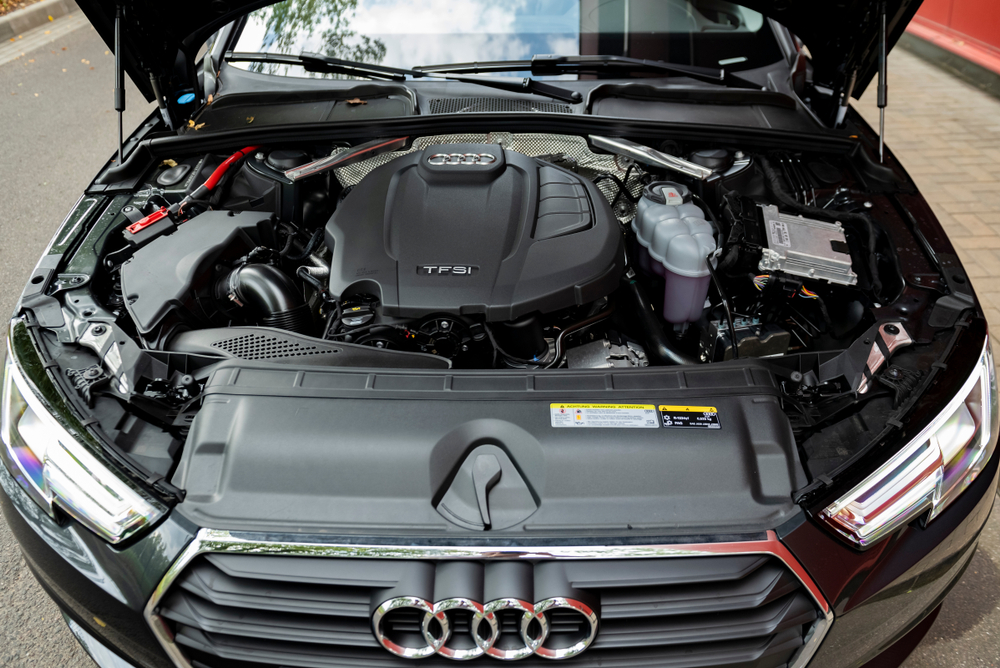
Audi 2.0 TFSI engines can develop increased oil consumption for several reasons, including a fault with the crankcase ventilation system
Every petrol engine produces blow-by gases that slip past the piston rings and collect in the crankcase, the lower part of the engine that holds the oil.
Pressure from those trapped gases needs a controlled exit. The crankcase ventilation system provides one by routing them through an oil separator, which strips out much of the oil mist, then returning the gases to the intake as part of normal engine operation.
The Audi PCV valve governs this flow. A rubber diaphragm inside the valve acts as a pressure regulator, controlling the rate at which gases pass from the crankcase to the intake and keeping internal pressure where the engine needs it.
Why Does the PCV Valve Fail on Audi’s 2.0-Litre TFSI?
The rubber diaphragm inside the PCV valve sits in a punishing environment. Years of engine heat and crankcase pressure gradually take their toll. The material hardens, cracks form, and eventually the diaphragm can tear. When it does, the valve’s ability to control crankcase pressure is compromised.
This is where the Audi oil consumption problem starts to take hold. A breach in the diaphragm opens up a vacuum leak in the crankcase ventilation system. Air that shouldn’t be there enters the intake tract. The engine control module (ECM) adjusts fuelling to compensate, but only so far.
The knock-on effects split in two directions. On one hand, the disrupted air-fuel balance can push idle speed up and make the engine run less smoothly. On the other hand, shifted crankcase pressure can pull greater volumes of oil vapour and oil mist into the intake system, and that’s what drives the rise in oil consumption.
On some versions of the 2.0 TFSI petrol engine, this is a recognised fault pattern. The diaphragm can also fail in other ways, or the check valve may stick, both of which can disturb normal system operation.
If your Audi isn’t performing the way you’d expect, it’s sensible to have it assessed. Contact JDK Automotive, Camberley, on 01276 535585, and we can advise on what to expect.
What Symptoms Does an Audi PCV Valve Fault Produce?
An Audi PCV valve fault can show itself in several ways, and the early signs are easy to confuse with normal ageing. Here are some of the symptoms worth paying attention to:
- Audi rough idle. The engine feels unsettled at idle, particularly on a cold start. You may notice the rev counter wavering or feel a vibration through the cabin.
- Flat or hesitant acceleration. Throttle response lacks the sharpness you’re used to, as though the engine isn’t delivering its full output.
- A hissing or whistling noise from the engine bay. Air being drawn past the torn diaphragm can produce a faint, high-pitched sound in some cases.
- Engine management warning light. If the vacuum leak affects the engine’s ability to hold the correct air-fuel mixture, the engine management system may log a fault code and trigger the warning light.
- Your Audi using too much oil. If oil consumption between services has increased beyond what you’d consider normal, a worn PCV valve is one of several possible causes worth considering.
Not every vehicle will present every symptom. The important thing is that any shift in how your Audi runs or how much oil it uses is worth having looked at.
What Are the Risks of Leaving an Audi Oil Consumption Problem?
Once the diaphragm inside the PCV valve tears, it won’t heal on its own. The vacuum leak may worsen as the material continues to deteriorate, and the running problems that come with it are unlikely to fade away.
Here’s where it gets more serious. Left alone, the air-fuel imbalance can grow. That may lead to drivability issues, misfires and other emissions-system faults. Crankcase pressure that’s no longer under control can also push oil past seals and gaskets, creating external leaks alongside the internal oil consumption.
None of this has to happen. But the longer the early signs go unaddressed, the more opportunity the fault has to affect other parts of the engine, and the greater the chance of secondary faults and a more involved repair.
If you’ve spotted any of these signs, get in touch with JDK Automotive, Camberley. We can advise on the right course of action.
How Do Our Technicians Track Down Audi Rough Idle and Oil Consumption Faults?
If a PCV valve fault is suspected, our technicians take a methodical approach to narrow down the root cause.
Everything starts with your account of what’s changed and when you first noticed the symptoms. Our technicians then get hands-on, combining their experience with manufacturer-level software and technical equipment to assess the engine’s condition. The goal is to trace the fault to its source and check whether anything else has been affected.
Stored fault codes provide the first line of evidence. Examples of codes that may be associated with a PCV valve issue on this engine include:
- P052E-00 (PCV Regulator Valve Performance)
- P0171-00 (System Too Lean, Bank 1)
- P0507-00 (Idle Air Control System RPM Higher Than Expected)
When the P052E-00 fault code Audi appears, it points towards the PCV regulator valve. These codes are signposts, not conclusions; they direct our technicians toward the area that needs attention, not the definitive answer.
Our technicians then carry out a series of targeted checks on the PCV system itself. These may include assessing crankcase pressure regulation and ventilation system operation. Once the picture is clear, we share our findings and confirm the cost before any work goes ahead.
Here’s what the repair involves.
On the 2.0 TFSI petrol engine, the PCV valve is part of a larger cam-cover and oil-separator assembly; the exact scope of the repair can differ depending on the model and year. When the PCV valve is confirmed as the cause, our technicians replace the affected assembly, carry out any required adaptations and verify everything is operating as expected.
If your Audi is running rough or you’ve been asking ‘why is my Audi using oil at an unusual rate?’, contact JDK Automotive on 01276 535585 to book a technical evaluation.
Which Audi Models Have Reported PCV Valve Faults?
The PCV valve fault isn’t random; it follows the engine. Models that carry the 2.0 TFSI petrol engine are the ones where this issue has been documented:
- Audi A4 (B9), from 2016 onwards
- Audi A5 (B9), from 2017 onwards
- Audi Q5 (FY), from 2017 onwards

The Audi A4 (B9) is among the models fitted with 2.0 TFSI engines where PCV valve faults have been reported
If you own an A4 with the 2.0 TFSI petrol engine and you’ve noticed an Audi A4 oil consumption problem, the PCV valve is one recognised cause worth ruling in or out. A5 and Q5 models with the same engine share this susceptibility. An Audi A4 oil consumption problem alongside an unsteady idle is a combination our technicians are familiar with on these models.
This fault pattern extends beyond Audi. The same engine family sits in vehicles from VW, Skoda, and SEAT, and PCV valve faults have been documented across all four brands.
If you’ve noticed an Audi rough idle, rising oil consumption, or both, and your model isn’t on the list, it’s still worth having it checked. Give JDK Automotive a call on 01276 535585 and we’ll advise you.
Why Choose JDK Automotive, Camberley for Your Audi?
Rising oil consumption and rough running can have several root causes, and narrowing it down to the right one takes a combination of hands-on skill and the right technical resources.
Our technicians at JDK Automotive, Camberley have the experience and equipment needed to identify Audi PCV valve faults. We talk you through what we find, confirm the cost before we carry out any work, and back every repair with a written guarantee. By choosing JDK Automotive, you benefit from:
- Technicians experienced in complex Audi engine faults
- Manufacturer-level software and technical equipment
- A 12-month parts and labour guarantee
What {{review-count}} Google reviewers across Camberley and the surrounding areas tell us, alongside the {{average-rating}} rating, is that honest advice and thorough work is what they remember.
Ready to get your Audi looked at? From A4s and A5s to Q5s and beyond, call JDK Automotive on 01276 535585, and we’ll take it from there.
Frequently Asked Questions
Why is my Audi using oil between services?
Oil consumption that increases between services can have more than one explanation. For Audi models with the 2.0 TFSI petrol engine, a worn PCV valve is among the recognised causes. When the rubber diaphragm breaks down, it allows excess oil vapour and oil mist to enter the intake. If you’ve noticed your Audi using too much oil, JDK Automotive can look into it.
How does the Audi PCV valve work?
The Audi PCV valve is a core component of the crankcase ventilation system. It keeps internal crankcase pressure in check by regulating the passage of gases toward the intake. On the 2.0 TFSI petrol engine, this depends on a rubber diaphragm that can degrade with age, affecting both engine performance and oil usage.
Is a worn PCV valve behind my Audi oil consumption problem?
It can be. A deteriorating PCV valve can drive more than rough running and higher oil consumption. If the fault goes unaddressed, the resulting vacuum leak may lead to drivability issues, misfires and emissions-related fault codes. Crankcase pressure that’s no longer controlled can also force oil past seals. Catching it early helps keep the repair scope contained.
What does a P052E-00 fault code mean on an Audi?
A P052E-00 fault code Audi relates to PCV regulator valve performance. It’s logged when the engine control module picks up a possible irregularity in crankcase pressure regulation on the 2.0 TFSI petrol engine. While it gives our technicians a useful starting point, confirming what’s behind it requires a hands-on technical evaluation at JDK Automotive.