Diesel Particulate Filter Explained
DPF… You might have spotted those three letters on a dashboard warning light, a service report, or tucked into a repair bill.
It’s a component fitted to every modern diesel-engined car, yet most owners couldn’t say what it does or why it matters. The questions that matter are:
- What does a DPF actually do?
- Why do short journeys cause problems?
- What are the warning signs of a failing DPF?
That gap in understanding can lead to avoidable breakdowns and expensive repairs.
Fitted to the exhaust, a diesel particulate filter (DPF) captures soot (particulate matter) before it leaves your car. It burns away trapped soot at high temperature through regeneration, provided the engine and exhaust reach suitable conditions. Short journeys are the most common reason regeneration doesn’t complete, though faults can prevent it too. Without regular regeneration, the filter becomes restricted.
However, your DPF doesn’t work in isolation.
Faults in other parts of your car’s diesel emissions system can push soot levels higher or generate dashboard warnings that mimic a filter problem, so we’ll cover those connections too.
In this expert guide, you’ll find out how your diesel particulate filter works, what other systems are connected to it, and how to keep it in good condition.
What a Diesel Particulate Filter Does and Why It’s There
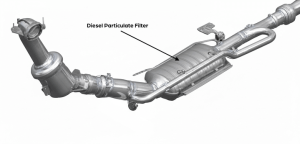
The DPF sits within the exhaust system, where it captures soot before it leaves the vehicle
The primary function of a DPF is to capture soot before it leaves your car and enters the atmosphere. It’s fitted to the exhaust, positioned so that every particle of combustion waste passes through it on its way out.
Euro 5 emissions rules, which came into force around 2009, made this filter a requirement for new diesel cars sold in the UK. As the engine runs, soot collects inside, and over time, the filter can become restricted. The DPF handles this by burning away accumulated soot at high temperature through a process called regeneration, and it’s the focus of this diesel particulate filter explained guide.
September 2016 brought Euro 6, which imposed stricter caps on both nitrogen oxides (NOx) and particulate matter. Most vehicles now depend on a combination of emissions-control systems to stay within those limits, and the DPF carries a central role in that arrangement.
That’s the diesel particulate filter explained at its core. Since 2014, evidence of DPF removal, tampering, or emissions-related faults can result in an MOT failure.
How Regeneration Works: Your DPF’s Self-Cleaning Process
Regeneration is what keeps your vehicle’s DPF from clogging. You might be asking: “How does a DPF work to clear itself of trapped soot?” Here’s the answer.
Picture the inside of the filter: a honeycomb-like structure, in most cases made from ceramic. Exhaust gases weave through narrow channels, and soot particles stick to the walls. Over time, those walls become coated, and the vehicle must burn that layer away to keep the system working as intended, in a process called regeneration.
There are usually two main methods of regeneration:
- Passive regeneration: This occurs naturally when exhaust temperatures remain high enough to burn away accumulated soot. In practice, this tends to happen during sustained higher-speed driving, such as a steady motorway cruise. Most drivers won’t even notice it happening.
- Active regeneration: When the engine management system senses that soot has hit a set threshold, it uses a range of engine management strategies to raise exhaust temperature high enough for regeneration.
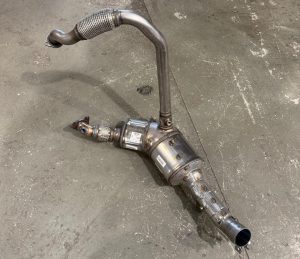
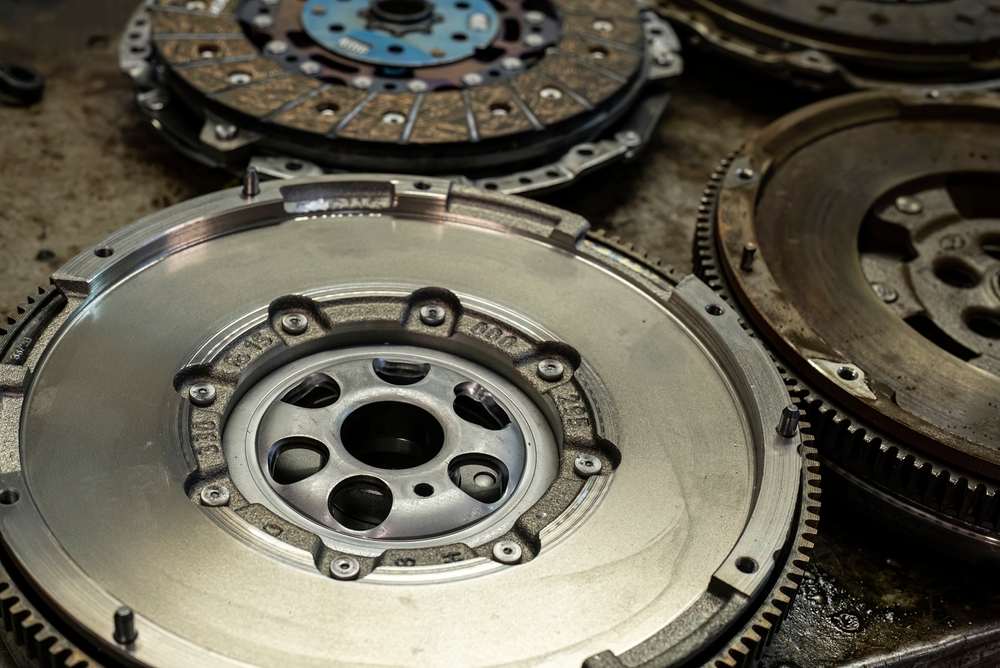
A removed DPF and exhaust assembly ready for inspection and servicing
But there’s one thing to watch out for…
Switching the engine off mid-cycle interrupts the process, and some of the soot may remain in the filter. Repeat that pattern, and soot can continue to build up, with warning lights eventually appearing.
The Short-Trip Problem: Why Your Diesel Needs Longer Drives
So, “Why does my diesel car need long journeys?”
It’s a question that comes up regularly… The answer comes down to regeneration.
Short distances, school runs, and town trips can prevent the exhaust system from reaching and maintaining the heat needed for regeneration to complete. Your vehicle’s DPF goes on collecting soot, trip after trip, with no opportunity for a full regeneration.
If this pattern continues, soot can accumulate to a point where warnings appear, and the vehicle may need professional attention.
Including longer journeys where you can give the system a chance to complete regeneration.
If the DPF warning light has already come on, the experienced technicians at JDK Automotive, Camberley, can check what’s happening before further damage occurs. Call us on 01276 535585.
Why the Wider Diesel Emissions System Matters for Your DPF
When another part of the emissions system develops a fault, the knock-on effect on your vehicle’s DPF can be significant.
Take the Exhaust Gas Recirculation (EGR) valve. Its role is to lower combustion temperatures by directing a portion of exhaust gas back into the engine, which reduces NOx output. Carbon deposits from soot and oil vapour gradually coat the valve’s internals, leaving it restricted or stuck.
Why does that matter for your DPF?
Depending on the nature of the fault, EGR-related issues can increase soot production, potentially placing additional demand on the filter. What appears to be a filter fault may have its origin elsewhere in the system.
So, what is AdBlue and why does it matter for your diesel emissions?
If your diesel vehicle was registered after September 2016, it’s likely fitted with an AdBlue system. AdBlue is a fluid injected into the exhaust, where it helps a Selective Catalytic Reduction (SCR) catalyst convert harmful nitrogen oxides into nitrogen and water vapour.
It’s also worth noting that your car monitors AdBlue levels and warns you when it’s low.
On some vehicles, if AdBlue runs out or the system detects a system fault, it can restrict performance or prevent the engine from starting. Because these systems overlap, a single dashboard warning or a drop in power doesn’t necessarily confirm a DPF issue. Pinpointing the actual source requires a thorough check of the wider diesel emissions system.
Signs That Your DPF May Need Professional Attention
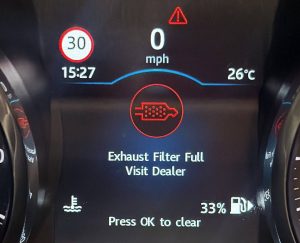
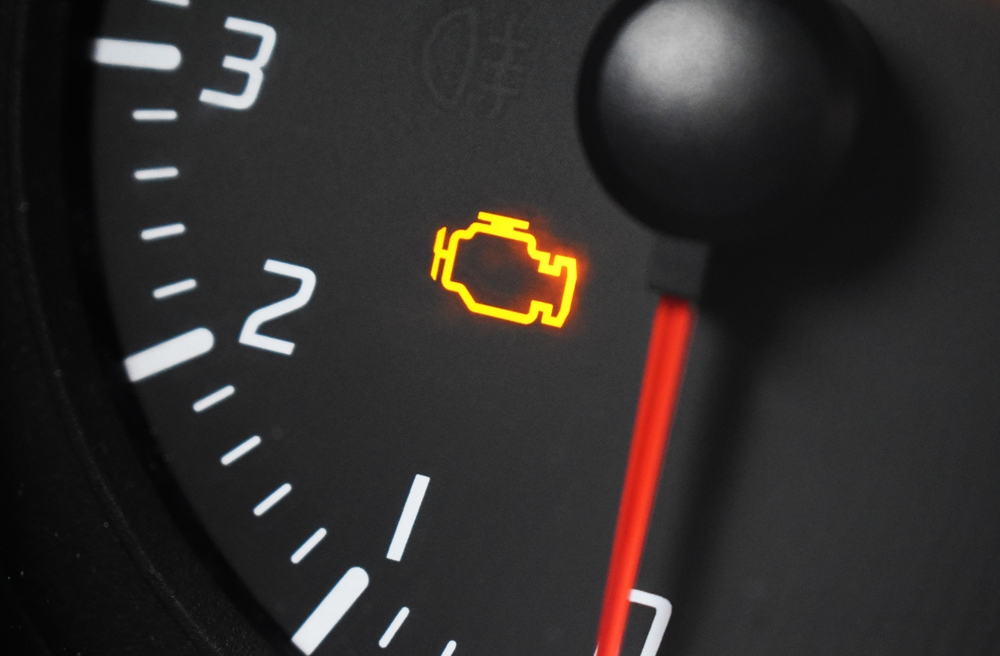
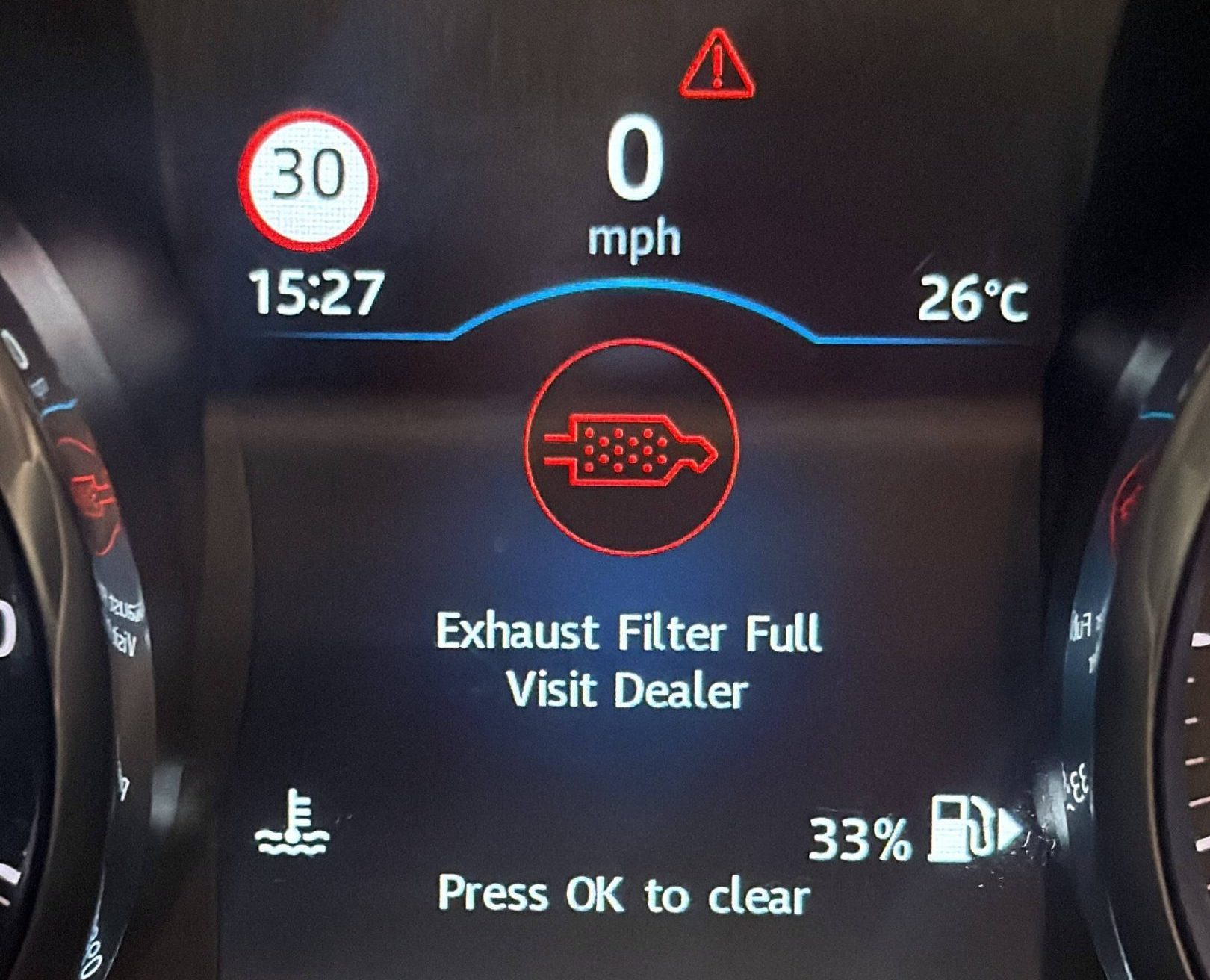
A DPF or exhaust-filter warning should be investigated rather than repeatedly ignored
A change in how your diesel vehicle behaves is one of the earliest clues that something in the emissions system needs looking at. Here are four signals worth acting on:
- DPF warning light on the dashboard: Soot has built up beyond the level where normal regeneration can cope, or a fault is blocking the cleaning cycle.
- Reduced engine power or limp mode: The engine management system may limit performance when it detects a fault affecting engine operation or emissions control.
- Higher fuel consumption: Repeated incomplete regeneration can mean your vehicle uses extra fuel each time it attempts to burn away soot.
- Unusual exhaust smoke or smell: A strong exhaust smell or visible smoke can indicate a fault affecting the engine or emissions system and should be investigated.
Sometimes, these symptoms can overlap, and not all of them point directly to the DPF. Accurate diagnosis requires assessment by a technical expert.
Ring the team at JDK Automotive, Camberley, on 01276 535585 to book your DPF assessment.
Keeping Your Diesel’s DPF in Good Condition
Now, you’ve had the diesel particulate filter explained and seen how the surrounding systems connect to it. A handful of good habits will help keep your DPF working as intended:
- Work longer drives into your week: Longer, uninterrupted journeys give the engine and exhaust system more opportunity to reach and maintain the conditions needed for regeneration to burn away accumulated soot.
- Act on a DPF warning light without delay: A DPF warning light should be investigated promptly, as delaying diagnosis can allow the underlying issue to worsen.
- Stay on top of your service schedule: Servicing keeps the oil, EGR valve, and other linked systems in the condition the DPF depends on. Neglected maintenance elsewhere can place extra strain on your vehicle’s DPF.
With the diesel particulate filter explained and a better understanding of what can affect it, you’ll be in a stronger position to recognise potential issues early.
Why Choose JDK Automotive for DPF Assessment and Repair?
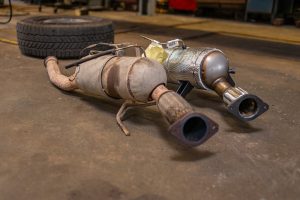
Depending on the fault and condition of the filter, DPF treatment may involve regeneration, cleaning or replacement
A DPF warning light or a loss of power can point to several different causes. A blocked filter, a faulty EGR valve, and depleted AdBlue all produce symptoms that look alike, and the correct course of action depends on identifying the real source.
At JDK Automotive, Camberley, our experienced technicians use manufacturer-level technology and proven processes to investigate DPF and emissions-system faults accurately. That precision matters because accurate diagnosis is the first step toward the right repair.
Where appropriate, we carry out DPF-related repairs, regeneration procedures, cleaning, or replacement in accordance with the manufacturer’s repair guidance.
By choosing JDK Automotive, you benefit from:
- Manufacturer-level software and experienced technicians: Our team uses dealer-level diagnostic technology with hands-on diesel expertise.
- A 12-month parts and labour guarantee: Confidence that every repair is covered.
- The team at JDK Automotive serving Camberley, Farnborough, and the surrounding area: Diesel owners in the area rely on JDK Automotive for thorough, knowledgeable vehicle care.
Join the {{review-count}} customers in Camberley who rate us {{average-rating}} on Google, with reviews highlighting thorough diagnosis, dependable results, and excellent value.
Ring the team at JDK Automotive, Camberley, on 01276 535585 to book your DPF assessment.
Frequently Asked Questions About Your DPF
What is a diesel particulate filter and why does my car have one?
A DPF is fitted to the exhaust of most diesel cars built after 2009, and its sole function is to trap soot generated during combustion. UK and European emissions regulations require diesel vehicles to limit particulate matter released into the atmosphere, and the DPF is the component that makes that possible.
So how does a DPF work? It cleans itself through regeneration, burning away accumulated soot at high temperature when the right conditions are met. Regeneration takes two forms: passive regeneration occurs naturally when exhaust temperatures remain high enough for a sustained period to combust the soot, while active regeneration is triggered by the engine management system when soot levels reach a set threshold.
Why does my diesel car need long journeys to stay healthy?
Regeneration needs sustained exhaust heat, and short trips don’t deliver it. Driving around towns, school runs, and stop-start commutes keep temperatures too low for the cleaning cycle to begin or finish, allowing soot to accumulate beyond what the vehicle can clear. A longer, continuous drive at a steady speed gives the system its best opportunity to complete a full regeneration and keep the filter clear.
How do I know if my DPF is blocked?
A DPF warning light on the dashboard is one of the clearest indicators of a blocked DPF, though you might also notice the engine pulling into limp mode, fuel consumption creeping up, or an unusual smell from the exhaust. However, these signs don’t always mean the DPF is at fault, as other parts of the diesel emissions system can produce identical symptoms. An assessment by experienced technicians is the surest way to identify the cause.
Can a DPF be repaired, or does it need replacing?
Whether a DPF can be repaired or not depends on the extent of the blockage and whether the filter has sustained physical damage. A forced regeneration or professional cleaning can restore many DPFs to full function, but where the ceramic structure is cracked, or soot levels have become too severe, replacement is the right path. A thorough assessment will determine which approach suits your vehicle.